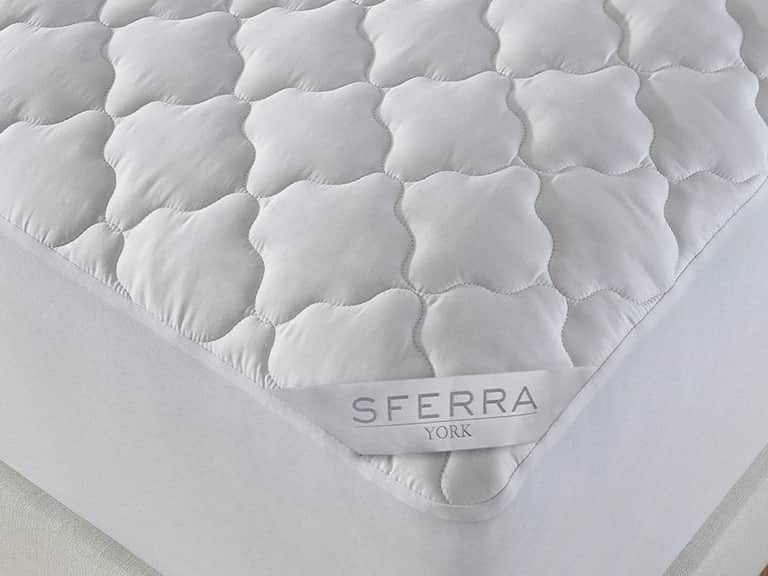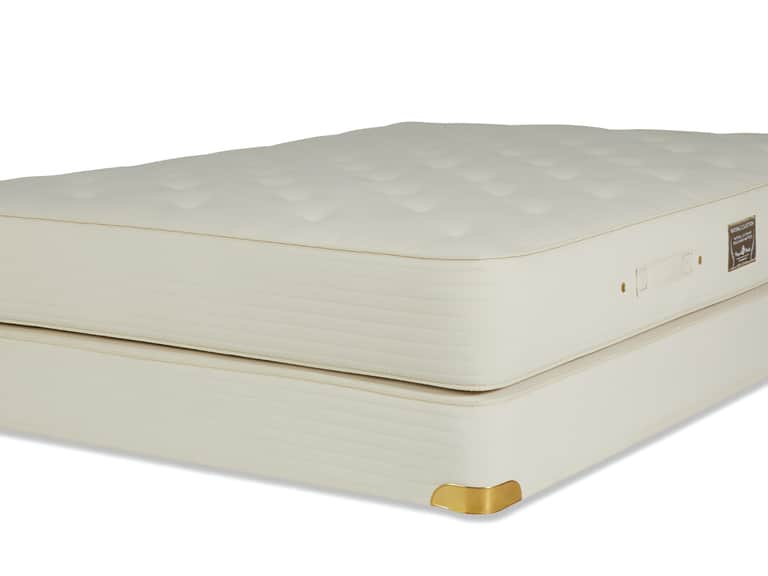
Royal-Pedic Natural Cotton Mattress with Wool Wrap
Experience luxurious orthopedic support with a chemical-free wool wrap, Swiss-designed springs, and allergen-friendly cotton — for timeless comfort, premium quality, and restful nights.
Latex mattresses offer a responsive, durable sleep surface with natural bounce and cooling properties. This guide expands on how latex stacks up against other common materials, what to look for when selecting a latex bed, and practical tips for testing one at home. Drawing from historical perspectives, contemporary research, and hands-on testing strategies, this article weaves a narrative of comfort, science, and time-tested craft.
Latex, a natural polymer derived from the sap of rubber trees, has a long-standing history in bedding. Modern latex mattresses come in two primary production methods: Dunlop and Talalay. Dunlop latex is denser and often heavier, offering straightforward firmness and robust support. Talalay latex undergoes a more intricate process that yields a lighter, more airy consistency with finer cell structures and enhanced potential for contouring without sinking too deeply. The choice between these forms is not merely a technical distinction; it affects the feel, temperature regulation, and long-term durability of the mattress.
In addition to natural latex, there are blended and synthetic latex variants. Natural latex is favored by sleepers seeking chemical-free construction and resilient responses, while blends can offer a balance between cost and performance. As with any material, the practical reality of latex rests at the intersection of physiology, environment, and personal preference.
The key advantages often cited for latex beds include steady support that maintains spinal alignment, excellent responsiveness that reduces the sensation of “getting stuck” in the mattress, and breathability that supports a cooler night’s sleep. Critics sometimes point to cost, potential chemical processing in some formulations, and the need to evaluate individual sensitivities to natural materials. The goal here is to equip readers with a rigorous framework to assess latex on its merits and in relation to their sleep style.
Testing a latex mattress at home doesn’t require a showroom full of sampling. A concise, structured approach helps you distinguish between latex varieties and identify whether a particular bed aligns with your body mechanics. Here is a 15-minute method that emphasizes reproducibility and clarity:
Conclude by asking yourself: Does this surface feel supportive yet buoyant? Is the temperature comfortable, or does the bed retain too much heat for your preferences? The 15-minute test is a snapshot, but it anchors decisions in firsthand sensation while steering you toward more informed retailer conversations.
To fully appreciate latex, it helps to compare it with two common alternatives: memory foam and hybrid configurations. Memory foam is renowned for deep contouring and pressure relief, but it can trap heat and feel less buoyant for some sleepers. Latex, by contrast, tends to offer a more resilient surface that supports consistent spinal alignment while promoting airflow. Hybrids combine latex or memory foam with innerspring coils to deliver a balance of contouring, bounce, and edge support, often with improved temperature management compared to all-foam designs.
When evaluating a latex-centric bed, consider these dimensions:
A practical framework emerges: if you value resilience, sustainable sourcing, and breathability, latex offers a compelling option. If you prioritize contouring and pressure relief, memory foam remains an attractive alternative. If you crave a blend of bounce, support, and traditional innerspring familiarity, a latex-hybrid might be the sweet spot.
To frame the modern latex mattress in a broader human story, consider the insights of three influential figures across distinct eras. Each contributed a thread to the fabric of how we understand comfort, health, and the science of sleep.
In ancient Greece and Rome, sleep was both a daily need and a symbolic domain where families tended to restful routines. Hypnos, the personification of sleep, embodied the intimate connection between rest and health. Though not a scientist by modern standards, the ancient reverence for a proper sleeping environment—dark rooms, quiet corners, and restful rhythms—mirrored later empirical thinking about comfort. The humane approach to tranquility, quiet, and consistent sleep cycles set the cultural stage for later inquiries into materials and beds as instruments of well-being.
Holmes championed the idea that the home is a laboratory for health, emphasizing the intimate link between the environment and well-being. His advocacy for cleanliness, fresh air, and comfortable living spaces foreshadowed later ergonomic considerations in bedding. He would recognize the modern impulse to examine how materials—whether wool, cotton, or early foams—contribute to vitality during sleep, inviting us to consider new fabrics and constructions with scientific curiosity.
Late 20th-century experiments in sleep stages, temperature, and comfort culminated in a more precise vocabulary for mattress selection. Scientists and clinicians began to quantify how body temperature, pressure distribution, and posture relate to sleep quality. This lineage culminates in the present-day emphasis on materials like latex—valued for their resilience and breathability—and the rise of evidence-based guides that help readers navigate the market with an understanding of how different structures influence sleep health.
These voices, from ancient reverence to modern science, remind us that choosing a mattress is not merely about softer or firmer surfaces. It is a dialogue with history, a dialogue between body and environment, and a careful reading of how materials influence the hours we spend in the most essential bed we inhabit.
When exploring latex mattresses, a representative model helps ground the discussion in real-world feel and construction. Among premium options, the Royal-Pedic Natural Cotton Mattress with Wool Wrap stands as a benchmark of traditional craftsmanship and luxury comfort. This innerspring mattress is noted for its orthopedic firm support, Swiss-inspired coil design, and a triple-layer approach featuring long-staple cotton and a chemically free lamb’s wool wrap. While not purely latex, this example provides a look at how high-end materials, traditional upholstery techniques, and natural fibers contribute to overall sleep health. It illustrates the craft ethos behind durable, breathable sleep surfaces and serves as a counterpart to latex-based beds, highlighting the spectrum of choices available to the informed reader.
For latex-specific exploration, consider evaluating latex layers, density, and cover materials. A latex-centric option should emphasize natural composition, third-party certifications, and minimal processing that could affect chemical exposure. In a purchase conversation, you might ask retailers about:
A thoughtful shopping approach acknowledges that even among high-quality latex beds, personal preference remains the final arbiter of comfort. The Royal-Pedic example, while rooted in classic innerspring craftsmanship, invites readers to consider how premium natural components and careful construction translate into long-term comfort—paralleling the virtues many seek in latex options.
Latex mattresses stand out for their balance of resilience, breathability, and durability. The material’s natural bounce supports alignment without excessive sinkage, while its open-cell structure promotes airflow. For sleepers who prioritize an evolving sense of comfort—along with a preference for chemical-free materials and sustainable production—latex presents a compelling choice. Yet, the market offers a spectrum of experiences: memory foam that delivers deep contouring, hybrids that blend bounce with coil support, and hybrids that incorporate latex for a middle ground.
The practical path to selecting a latex bed begins with clarity about your sleeping position, temperature preferences, and budget. A structured at-home test, a comparison checklist (firmness, bounce, cooling, and edge support), and attention to certifications provide a robust framework. As you navigate retailer conversations, approach the process with curiosity, documenting how the mattress feels across your typical nights and seasons. Your choice should reflect a balance of personal comfort, evidence of performance, and a durable construction that endures through time.
Author note: This editorial-style guide echoes the National Geographic ethos—curiosity, rigor, and a narrative that ties science to human experience. It aims to inform readers with clear, evidence-based guidance while recognizing the tactile, personal nature of sleep comfort.